
The live dealer scene keeps evolving, and the right new live poker tables should feel like a proper room rather than a rushed app screen. For an Australian player weighing options, the practical questions are about pace, table limits, and how the software holds up on a phone during a busy week. This guide walks through what to check before you commit any time or deposit.
What to weigh before you sit down
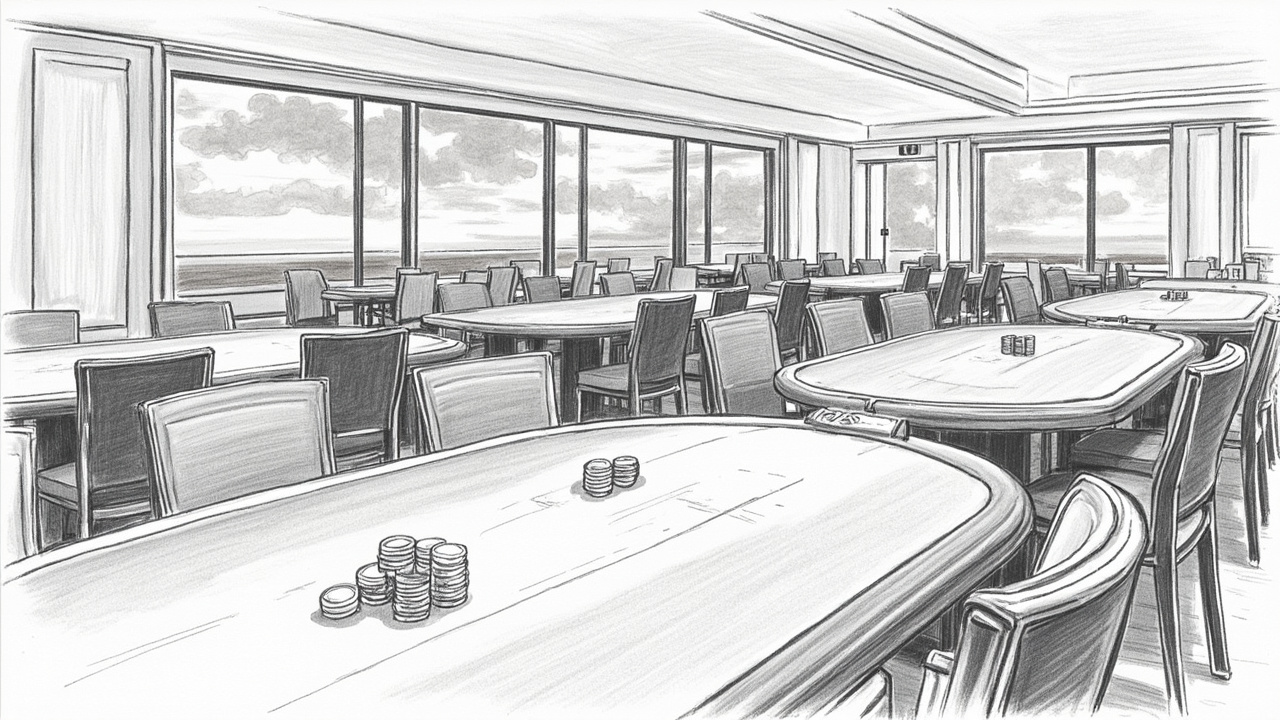
Picking a live poker room is less about flashy banners and more about how the tables actually run when real money is on the line. The first thing to check is the game mix and the table sizes, because a room that only offers high-stakes cash games will not suit someone who wants to practise with modest stakes. Look for a spread that includes both short-hand and full-ring options, with clear limits so you know where you fit before you join. A solid provider mix matters too, since consistency in dealing speed and card shuffling affects how natural the session feels.
Mobile usability should be tested early, not after you have already registered. A room that loads quickly in a mobile browser and keeps the betting controls within easy reach is worth more than one that looks polished on a desktop but stutters on a phone. Navigation should be straightforward, with the lobby, tables, and support easy to reach without digging through menus. If the interface feels cramped or the buttons overlap during a hand, that is a sign the room has not been built with mobile-first play in mind.
Payment options and registration are where many players get caught out, so check the currencies, deposit methods, and verification steps before you start. A room that accepts Australian dollars and keeps the sign-up process short is easier to use, but do not skip the verification step because it protects your account later. Bonus mechanics can be useful if they are clear and tied to reasonable playthrough terms, but vague promotions that shift the goalposts are a warning sign. Loyalty rewards are a bonus if they actually return value over time, rather than just sitting there as a cosmetic tier.
“The rooms that hold up are the ones that treat mobile as the default, not an afterthought,” said Lily Hill, Head of Public Relations, Great Southern Betting Review. “When the lobby loads fast and the table controls stay where your thumb expects them, players stay longer and make better decisions.”
How the tables feel in a real session
A live poker room is only as good as the rhythm of the tables, and that rhythm shows up the moment you join a hand. The dealing pace should feel steady rather than rushed, with enough time to read the action without the screen lagging behind the dealer. Table limits need to be clearly displayed before you sit down, so you are not guessing whether the blinds suit your bankroll. A room that offers a sensible range from low-stakes social play to higher-stakes cash games gives you room to move without forcing you into a table that does not fit.
The software layer matters just as much as the live feed, because the betting controls, chat, and table navigation all shape how the session feels. On a phone, the raise and fold buttons should sit where your thumb can reach them without blocking the cards, and the lobby should load quickly even when you are checking in during an arvo break. If the interface feels cramped or the tables reload slowly, the experience turns clunky fast. A room that has clearly been built with mobile-first use in mind will keep the action readable on a smaller screen without sacrificing the live feel.

Behind the scenes, the registration and payment flow tells you a lot about how the room treats players day to day. A short sign-up that still asks for proper verification is a good sign, because it balances speed with account security. Currency support matters too, especially if the room handles Australian dollars cleanly and does not hide conversion fees in the fine print. Bonus mechanics should be transparent, with playthrough terms that are easy to understand rather than buried in conditions that change halfway through. Loyalty programs are worth paying attention to only if they actually reward regular play instead of sitting there as a cosmetic tier.
“Players often overvalue the bonus and undervalue the table experience, and that is a mistake,” said Callum Kelly, Head of Public Relations, Red Centre Analytics. “A clear bonus with sensible terms is useful, but a room that runs its tables well will keep you coming back long after the promotion ends.”
For anyone comparing options, a useful starting point is a structured check rather than a quick browse. The right room should stand up to a proper look at its tables, mobile fit, and account setup before you put any money in. a big candy casino review
- Open the room in a mobile browser first and check how quickly the lobby loads on a phone connection.
- Scan the live table lobby for limit ranges, game types, and the number of active tables before you register.
- Read the bonus terms and payment details, noting the currency, deposit methods, and any verification steps.
- Join a low-stakes table to test the dealing pace, button placement, and chat behaviour before committing further.
- Note whether support is easy to reach and whether the loyalty program offers anything that matches your play style.
Finding the right fit for your play
The right new live poker tables depend on how you actually play, not on what looks busiest in the lobby. If you prefer shorter sessions and smaller stakes, a room with low-limit cash tables and a calm pace will suit you better than one that pushes high-stakes action all the time. If you like a bit more variety, look for a mix of tournament and cash options so you can switch between formats without jumping to a different room. The key is matching the table limits and game types to your bankroll and your patience, rather than chasing a lobby that looks impressive but does not fit your style.
Mobile use is where many Australian players will spend most of their time, so test the room on a phone before you decide. A browser-based experience that loads quickly and keeps the controls easy to reach is often more practical than a dedicated app that adds friction. If you are checking in between work or during a break, the lobby should be easy to navigate and the table entry should be straightforward. Support should be reachable without digging through layers of menus, and the loyalty program should offer something that matches how often you actually play.

The room itself should feel consistent from sign-up to the first hand, with clear registration, sensible verification, and payment options that make sense for your currency. A short sign-up that still asks for proper verification is a better sign than a process that skips steps and leaves your account exposed later. Bonuses can be useful if the terms are clear, but a room that relies on vague promotions is not a good sign. Loyalty rewards are worth paying attention to only if they return value over time, rather than sitting there as a decorative tier.
For a local comparison point, think about how The Star Sydney sits in the Pyrmont entertainment precinct near Darling Harbour, with a physical room that has to work for a crowd that arrives for all sorts of reasons. A good online room should feel similarly considered, with tables and limits that suit different players rather than one narrow crowd. If you enjoy the rhythm of a live room, you will recognise the same care in a digital table that is built properly.
Final checks before you commit
Before you put any time or money into a room, make sure the tables, mobile fit, and account setup all line up with how you play. Test the lobby on a phone, check the limit range, and read the bonus and payment details before you register. A room that holds up on those points is worth a proper look, while one that feels clunky or vague is better left alone. Play within your limits, treat verification as part of the process, and choose a room that matches your style rather than one that simply looks busy.